How a Trumpet Instructor Can Help You Learn Through Real Performances
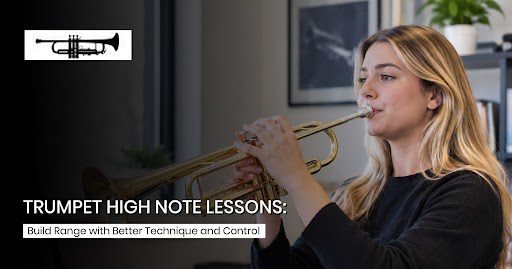
Every trumpet performance communicates a story through tone, articulation, phrasing, and musical expression. For aspiring musicians, watching skilled trumpet players can offer valuable insights into what makes a performance engaging and how technical skills translate into expressive music.
Whether you’re developing your fundamentals or refining your performance skills, learning from real musical examples can help you approach practice with a clearer purpose. Videos of experienced performers give you an opportunity to listen closely, discover different musical styles, and identify techniques you can explore in your own playing.
For anyone working with a trumpet instructor, combining structured guidance with performance-based learning can make practice more meaningful. Instead of concentrating exclusively on exercises, you can begin to understand how individual skills contribute to a complete musical performance.
Learn Beyond Exercises: Why Real Performances Matter
Scales, long tones, articulation drills, and flexibility exercises all have an important place in trumpet practice. However, these exercises develop individual skills that eventually need to work together in music.
Watching performances can help you recognize that connection.
Listen to how a player shapes a phrase, adjusts articulation to suit a musical style, or maintains rhythmic precision during a demanding passage. Notice how the performer uses dynamics and timing to create interest rather than playing every note with the same intensity.
These observations can influence the way you practise. For example, if a melody sounds smooth and connected, you might focus on the transitions between notes. If a passage feels lively and rhythmic, you could pay closer attention to articulation and timing.
The objective isn’t to imitate another musician note for note. The aim is to refine your listening skills, identify useful musical techniques, and apply what you learn to your own performances.
Explore BBTrumpet's Collection of Student Performances
BBTrumpet’s Trumpet Music Videos of Pops’ Students page features performances and demonstrations by musicians connected with Clint “Pops” McLaughlin’s teaching.
The collection includes performers such as Rex Merriweather, Keith Fiala, Anne King, Andrea Tofanelli, Greg Kuehn, and Keith Wood. Their appearances offer listeners different musical examples to explore.
Rather than watching all the videos without a particular goal, choose one performance and listen for something specific. You might focus on tone quality during the first viewing, articulation during the second, and phrasing during the third.
This simple habit turns casual listening into an active learning experience.
Turn Great Performances into Your Next Learning Opportunity.
What to Observe When Watching Trumpet Players
You don’t need advanced musical knowledge to benefit from watching another musician perform. Start with a few essential elements and gradually develop your ability to hear finer details.
1. Tone and Sound Consistency
Listen to the quality of the sound throughout the performance. Does the tone remain centred during longer notes? Does it change appropriately with the musical expression?
A consistent tone doesn’t require every note to sound identical. Skilled musicians adapt their tone to suit the piece while maintaining control.
Use these observations to set a practical goal for your own practice, such as producing a more stable tone across a comfortable range.
2. Articulation and Clarity
Articulation influences how notes begin and connect. Depending on the music, a phrase may call for crisp attacks, smooth connections, or a combination of both.
Notice how the musician plays repeated notes, shapes brief phrases, and manages faster sequences. Then practise a small section of your own music with the same attention to clarity.
Begin slowly enough to maintain control before gradually increasing the tempo.
3. Phrasing and Musical Direction
Good phrasing helps a melody feel connected rather than sounding like a series of unrelated notes.
Observe how the musician increases intensity, softens the tone, and guides the music forward. Consider how dynamics, timing, and note length contribute to the overall interpretation.
When practising a melody, try marking the phrases and deciding where you want the musical line to lead. This encourages you to think beyond playing the correct notes.
4. Rhythm and Ensemble Awareness
Performing with other musicians requires careful listening, timing, and awareness of how musical parts fit together.
Duets are particularly useful for studying these skills. Listen to how the performers balance their parts, maintain the pulse, and respond to one another’s musical ideas.
Even when practising alone, you can develop this awareness by playing along with recordings or using accompaniment tracks.
Turn Inspiration into a Practical Practice Plan
Watching performances is most useful when you follow up with focused practice. Without that connection, it’s easy to feel inspired in the moment but return to the same routine without making meaningful changes.
Try this simple process:
- Choose: Select a performance or musical passage that interests you.
- Listen: Identify one element you want to understand better.
- Practise: Work on that skill using a short passage from your own repertoire.
- Record: Listen back to your performance to recognize your strengths and identify areas for improvement.
- Refine: Repeat the passage with one clear adjustment in mind.
For example, if you notice a performer creating smooth musical lines, practise connecting notes without interrupting the phrase. If the performance features precise articulation, work on clean note beginnings at a manageable tempo.
Small, focused adjustments can make practice more productive than trying to improve every aspect of your playing at once.
Finding the Right Learning Support for Your Level
Every trumpet player has different goals. Some musicians want to build reliable fundamentals, while others are ready to refine advanced technique, expand their repertoire, or prepare for performances.
Exploring trumpet courses for intermediate and advanced players can help you identify learning resources that match your current needs. Look for courses that explain not only what to practi
se, but also why a particular exercise matters and how to apply it musically.
An online trumpet course for advanced players can offer the flexibility to study at your own pace and revisit challenging techniques whenever needed. Others may benefit more from direct demonstrations and personalized feedback.
Choosing a trumpet teacher online or in-person depends on your preferences, schedule, and learning style. Online lessons can offer flexibility, while in-person sessions may make certain demonstrations and immediate feedback easier.
When considering a trumpet tutor online or private lessons, think about your specific challenges. Are you struggling with articulation, tone consistency, musical interpretation, or confidence during performances? Identifying your priorities can help you find instruction that supports your progress.
A skilled trumpet instructor should align technical training with your musical ambitions instead of relying on a series of disconnected exercises.
Why Listening and Technical Practice Work Best Together
Performance videos and structured instruction serve different purposes, but they can complement one another.
Videos allow you to hear how musicians approach musical interpretation and observe how different styles influence a performance. Technical exercises help you develop the coordination needed to reproduce the musical ideas you want to express.
For example, listening to a cleanly articulated passage may inspire you to work on tongue coordination. Studying a lyrical melody may encourage you to improve breath management and phrase shaping. Watching a duet may remind you to pay more attention to balance and timing.
You can then bring those observations to a lesson or incorporate them into your daily practice routine.
This approach is particularly useful for musicians who have become comfortable with exercises but want to make their playing more expressive. It gives each technical activity a clear musical purpose.
About BBTrumpet
BBTrumpet is an educational resource led by Clint “Pops” McLaughlin, offering trumpet instruction, technique-focused materials, and performance-related content. Its collection of student performance videos allows trumpet players to discover musicians connected with Pops’ teaching and explore a variety of playing styles. Alongside its wider instructional resources, the collection encourages musicians to connect technical study with listening, interpretation, and real musical examples.
Make Every Listening Session Count
You don’t need to master an entire performance to learn something useful from it. One carefully observed phrase can give you an idea to explore during your next practice session.
Choose a musician whose playing interests you, listen for a particular quality, and work on applying that idea to your own repertoire. Over time, this habit can help you become a more attentive listener and a more thoughtful musician.
Working with a trumpet instructor can further help you turn those observations into a structured learning plan, with exercises and feedback tailored to your needs.
Ultimately, the goal isn’t to sound exactly like the performers you admire. It’s to understand what makes their playing effective, develop your own technical abilities, and use those skills to communicate more confidently through music.
Frequently Asked Questions
1. What can I learn from watching trumpet performance videos?
You can study tone quality, articulation, rhythm, phrasing, musical interpretation, and ensemble interaction. Watching with a specific listening goal helps you turn these observations into practical ideas for your own playing.
2. Are performance videos useful for intermediate trumpet players?
Yes. Intermediate players can use videos to develop their listening skills, explore different styles, and identify areas for improvement. Pairing observations with focused practice can make the learning process more effective.
3. How can advanced trumpet players use performance videos?
Advanced players can examine subtle details such as articulation choices, phrase shaping, stylistic interpretation, and ensemble balance. These observations can inspire new practice goals and help refine performance skills.
4. Should I copy the techniques of musicians I admire?
Use their performances as learning references rather than copying every technique or movement. Your instrument setup, experience, and physical coordination may differ, so adapt ideas carefully and seek guidance when needed.
5. Can online trumpet courses complement performance videos?
Yes. Performance videos offer listening examples, while structured courses can explain techniques and provide exercises to develop specific skills. Combining both can help you connect musical inspiration with purposeful practice.