Trumpet Lessons Online: Why Understanding Anchor Tonguing Can Transform Your Playing
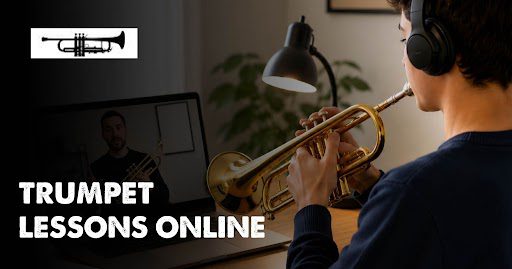
Every trumpet player reaches a point where progress seems to slow down. Maybe your tone feels inconsistent, your range isn’t improving, or playing for extended periods becomes tiring. It’s easy to assume the solution is to practice harder, but experienced musicians know that better results come from better technique—not simply more effort.
This is one reason trumpet lessons online have become increasingly valuable for players of every level. Instead of relying on trial and error, structured instruction helps you understand why certain techniques work and how to apply them effectively. One of the most misunderstood topics in trumpet playing is the difference between Anchor Tonguing and Tongue Arch.
While these terms are often used interchangeably, they are not the same. Understanding the distinction can dramatically improve the way you approach breathing, articulation, flexibility, and overall efficiency.
Why Tongue Position Matters More Than You Think
When trumpet players think about improving, they often focus on their embouchure or breathing. Although both are essential, the tongue also plays a critical role in producing a clear, resonant sound.
The tongue helps direct airflow, influences articulation, and works together with the embouchure to produce consistent notes throughout the instrument’s range. If tongue movement becomes inefficient, it can create unnecessary tension that affects tone quality, endurance, and flexibility.
Many musicians searching for trumpet lessons online discover that understanding tongue function is one of the missing pieces in their development. Learning how the tongue should support your playing—not interfere with it—can make a noticeable difference in both comfort and consistency.
Anchor Tonguing vs. Tongue Arch: Understanding the Difference
One of the biggest misconceptions in trumpet education is that players should rely on a tongue arch to improve their performance. While changing the tongue’s shape may influence airflow, it is not the primary concept taught by many respected master teachers.
Instead, renowned educators emphasized Anchor Tonguing—a technique that stabilizes the tongue while allowing efficient airflow and clean articulation.
Rather than constantly moving the tongue into exaggerated positions, Anchor Tonguing encourages a more stable and controlled approach. This allows the embouchure, airflow, and tongue to work together instead of competing with one another.
For players who have struggled with inconsistent attacks or unnecessary tension, understanding this difference often becomes a turning point in their musical journey.
Why Many Players Become Confused
Today’s musicians have access to countless online videos, forums, and tutorials. While that can be helpful, it also means players are exposed to conflicting advice.
Some instructors emphasize tongue arch almost exclusively, while others discuss airflow without explaining how the tongue actually supports it. As a result, many players experiment with multiple techniques without fully understanding the purpose behind each one.
High-quality trumpet lessons online eliminate that confusion by providing a structured explanation of how the tongue, lips, breathing, and embouchure function together.
Instead of chasing quick fixes, players gain a deeper understanding of efficient trumpet playing.
Better Technique Leads to Better Range
Although Anchor Tonguing is not simply a “high-note trick,” efficient tongue placement can contribute to greater consistency throughout your range.
Many intermediate musicians searching for ways to improve trumpet range fast for intermediate players focus almost entirely on lip strength. In reality, range development depends on several factors working together, including airflow, embouchure efficiency, breathing, and tongue coordination.
When these elements become more balanced, higher notes often feel more controlled instead of forced.
Players looking to improve trumpet range fast for intermediate players usually achieve better long-term results by improving their overall technique rather than searching for shortcuts.
Learn Through Proven Resources
Progress doesn’t come from a single exercise—it comes from understanding the principles behind successful playing.
Many musicians strengthen their daily practice by using trusted trumpet method books that develop breathing, flexibility, articulation, and musical expression in a logical sequence.
Well-designed trumpet method books encourage players to build solid fundamentals before moving into more advanced repertoire, creating steady improvement over time.
Combining structured study with quality instruction helps players avoid common mistakes and build lasting confidence.
The Value of Expert Guidance
Self-study can take you a long way, but personalized feedback often accelerates improvement.
An experienced trumpet instructor can identify habits that may be difficult to notice on your own, whether they’re related to breathing, articulation, tongue placement, or embouchure efficiency.
Rather than correcting problems after they’ve become ingrained, a knowledgeable trumpet instructor helps players develop healthier playing habits from the beginning.
Whether you’re preparing for auditions, improving your tone, or simply trying to play more comfortably, expert guidance makes every practice session more productive.
Choosing the Right Learning Path
Every musician learns differently. Some players thrive in a traditional classroom, while others prefer the flexibility of learning from home. The important thing is finding instruction that explains concepts clearly and helps you apply them during practice.
Many players choose a trumpet tutor online or private lessons because they can receive expert guidance while practicing at their own pace. Whether you prefer a trumpet tutor online or private lessons, personalized feedback helps you understand not just what to do, but why it works.
This approach builds confidence and encourages steady, long-term improvement rather than relying on trial and error.
Strengthen Your Practice with Quality Resources
A productive practice routine combines expert instruction with the right educational materials.
Many musicians supplement their lessons with free trumpet sheet music to practice scales, études, solos, and orchestral excerpts. Exploring different styles of free trumpet sheet music also helps improve musical expression while reinforcing tone, rhythm, and articulation.
Likewise, well-organized trumpet method books remain valuable for players at every stage. They provide structured exercises that support the concepts learned during lessons and help develop stronger fundamentals over time.
When paired with quality instruction, these resources create a balanced approach to learning and make practice sessions more engaging.
How BBTrumpet Helps Players Learn More Efficiently
At BBTrumpet, the goal is to help musicians understand the mechanics behind great trumpet playing—not simply memorize exercises.
With more than 50 years of teaching experience, Pops McLaughlin has developed an educational approach based on efficient playing, proper coordination, and practical application. Instead of encouraging players to force notes through excessive effort, BBTrumpet explains how the body’s natural playing tools should work together.
One of the most important concepts taught throughout BBTrumpet’s educational resources is the distinction between Anchor Tonguing and Tongue Arch. While many modern discussions focus heavily on tongue arch, Pops highlights that many of the master teachers emphasized Anchor Tonguing because it supports efficient airflow, cleaner articulation, flexibility, and a more relaxed playing approach.
Alongside concepts such as Lip SetPoint™ and Lip Aperture Tunnel™, these lessons help players better understand how small technical adjustments can produce significant musical improvements.
Whether you’re exploring trumpet lessons online for the first time or refining years of experience, BBTrumpet provides practical resources that simplify complex ideas and make them easier to apply during everyday practice.
Practice Smarter, Play Better
Great trumpet playing isn’t about discovering secret shortcuts—it’s about learning the right principles and applying them consistently.
If you’re searching for trumpet lessons online, choose instruction that helps you understand the relationship between breathing, embouchure, airflow, and tongue placement instead of focusing on isolated techniques.
As you continue working with an experienced trumpet instructor, practicing from trusted trumpet method books, using free trumpet sheet music, or learning through a trumpet tutor online or private lessons, you’ll develop a stronger understanding of how efficient technique creates lasting improvement.
For intermediate musicians hoping to improve trumpet range fast for intermediate players, remember that better range is usually the result of better coordination—not greater effort. Building a solid technical foundation allows your playing to become more relaxed, consistent, and enjoyable over time.
Most importantly, don’t be discouraged if progress feels gradual. Every great trumpet player improves through patience, purposeful practice, and a willingness to keep learning.
With the right instruction and a proven approach, you’ll gain more confidence, produce a richer tone, and discover that playing the trumpet can feel easier and more rewarding than ever before.
Frequently Asked Questions
1. Why are trumpet lessons online helpful for improving technique?
Trumpet lessons online provide structured instruction that explains important concepts like breathing, articulation, tongue placement, and embouchure, helping players improve more efficiently than relying on trial and error.
2. Can I improve trumpet range fast for intermediate players by changing my tongue position?
Efficient tongue placement can support better airflow and coordination, but lasting range improvement comes from combining proper breathing, embouchure, and consistent practice—not relying on one technique alone.
3. Are trumpet method books still useful for modern players?
Yes. Quality trumpet method books provide structured exercises that strengthen tone, flexibility, articulation, and musical development, making them valuable resources for players of all skill levels.
4. Should I learn from a trumpet instructor or a trumpet tutor online or private lessons?
Both options are effective. An experienced trumpet instructor or a trumpet tutor online or private lessons can provide personalized feedback that helps correct inefficient habits and accelerate progress.
5. Where can I find free trumpet sheet music for practice?
Many public-domain music libraries and educational resources offer free trumpet sheet music, including scales, études, orchestral excerpts, and classic practice materials to support daily learning.