Trumpet Exercises Daily Practice Routine: Build Better Technique Without Unnecessary Tension
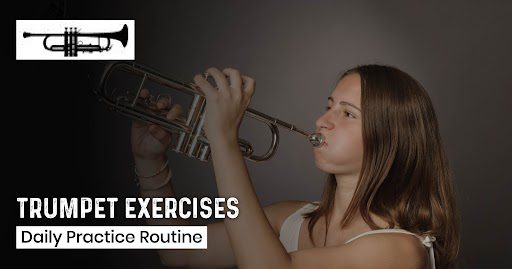
Every trumpet player wants a richer tone, stronger endurance, and greater confidence during practice and performance. The challenge is that improvement doesn’t come from simply playing longer—it comes from practicing smarter. A well-planned trumpet exercises daily practice routine helps you strengthen your fundamentals, improve consistency, and eliminate habits that slow your progress.
Whether you’re just beginning or preparing for advanced performances, following the right routine can make every practice session more productive. Instead of repeating the same exercises without direction, focus on quality, efficiency, and gradual improvement.
Why a Trumpet Exercises Daily Practice Routine Matters
A consistent trumpet exercises daily practice routine develops the skills every player needs—tone, flexibility, articulation, breathing, and endurance. Regular practice also helps build muscle memory, making difficult passages feel more natural over time.
Many players spend hours practicing without seeing significant improvement because they lack structure. Breaking your session into focused segments allows you to make steady progress while avoiding unnecessary fatigue.
A Simple Trumpet Exercises Daily Practice Routine
You don’t need hours each day to improve. A focused 30–45 minute session can produce excellent results.
1. Warm Up Properly (5–10 Minutes)
Begin with breathing exercises and long tones. This prepares your embouchure, improves airflow, and helps produce a clear, centered sound before moving into more demanding exercises.
2. Develop Flexibility (10 Minutes)
Lip slurs and smooth register changes improve coordination and control. Including a good mid-range Lip SetPoint before every exercise also reduces unnecessary tension, making transitions easier across different ranges.
3. Improve Technique (10 Minutes)
Practice scales, articulation drills, and interval studies. A structured trumpet exercises daily practice routine should always include technical exercises that improve finger coordination and tonguing accuracy. The 1st page of the Arban interval study on page 125 is a daily must.
4. Build Musicality (10 Minutes)
Apply your technique by playing melodies, études, or pieces you enjoy. Working with free trumpet sheet music is an excellent way to expand your repertoire while reinforcing your daily practice goals.
5. Cool Down (5 Minutes)
Finish with relaxed long tones and comfortable low-register playing. A proper cooldown allows your embouchure to recover and prepares you for your next practice session.
Common Practice Mistakes
Even the best routine can lose its effectiveness if you’re developing poor habits.
Avoid these common mistakes:
- Practicing with excessive mouthpiece pressure
- Playing through fatigue
- Ignoring the breathing technique
- Skipping warm-ups and cooldowns
- Focusing on quantity instead of quality
An effective trumpet exercises daily practice routine emphasizes control, efficiency, and consistency rather than simply increasing practice time.
Tips for Advanced Players
As your skills improve, your routine should evolve as well. You need to raise the musical bar weekly. Expect a better, more experienced sound every time that you play. Many experienced musicians incorporate trumpet endurance exercises for advanced players to prepare for longer rehearsals, demanding performances, and challenging repertoire.
These exercises may include:
- Extended long tones
- Progressive lip slurs
- Controlled range-building studies
- Recovery exercises between demanding passages
Adding trumpet endurance exercises for advanced players to your practice schedule helps maintain tone quality and reduces fatigue during extended performances.
Learn from the Right Guidance
While self-practice is valuable, working with an experienced trumpet instructor often accelerates improvement. A knowledgeable trumpet instructor can identify technical issues that are difficult to notice on your own and recommend exercises tailored to your goals.
Many musicians also choose a trumpet tutor online or private lessons to receive personalized instruction while maintaining flexibility in their schedules. Whether you prefer a trumpet tutor online or private lessons, expert feedback helps reinforce proper technique and keeps your practice focused.
Enhance Your Practice with Free Resources
Using free trumpet sheet music is an excellent way to introduce variety into your routine. Practice studies, etudes, scales, and familiar melodies all help develop musical expression while strengthening technical skills.
Combining free trumpet sheet music with a structured trumpet exercises daily practice routine keeps practice engaging and encourages consistent progress.
How BBTrumpet Supports Smarter Practice
At BBTrumpet, the goal isn’t simply to help players practice more—it’s to help them practice better. With decades of teaching experience, BBTrumpet has developed proven methods that focus on efficient playing, embouchure development, and long-term improvement.
The Tension-less Playing Made Easy eBook is an excellent starting point for players who struggle with unnecessary tension, inconsistent tone, or early fatigue. Instead of relying on excessive effort, the guide explains how proper muscle coordination, airflow, and efficient technique contribute to a more relaxed and confident performance.
When combined with a structured trumpet exercises daily practice routine, the eBook helps players develop healthier playing habits that support better tone, increased endurance, and improved consistency.
Even fulltime professional players have made improvements when using the ideas in this book.
Practice Smarter, Not Longer
Consistency always beats intensity. A focused trumpet exercises daily practice routine allows you to improve gradually without overwhelming your embouchure or developing inefficient habits.
Whether you’re using free trumpet sheet music, working with a trusted trumpet instructor, following a trumpet tutor online or private lessons, or adding trumpet endurance exercises for advanced players to your schedule, every practice session should have a clear purpose.
The right routine, combined with efficient technique, can help you build confidence, perform comfortably, and enjoy steady improvement throughout your trumpet journey.
Frequently Asked Questions
1. What should a trumpet exercises daily practice routine include?
A balanced routine should include warm-ups, breathing exercises, flexibility drills, articulation practice, scales, musical pieces, and a cooldown to promote consistent improvement.
2. Are trumpet endurance exercises for advanced players necessary?
Yes. They help experienced musicians maintain tone, range, and consistency during long rehearsals and performances while reducing fatigue.
3. Where can I find free trumpet sheet music?
Many educational websites and music libraries offer free trumpet sheet music for scales, études, solos, and practice pieces suitable for different skill levels.
4. Should I work with a trumpet instructor or learn independently?
An experienced trumpet instructor provides personalized feedback, corrects technical issues early, and helps you progress more efficiently than practicing alone. Remember with the aide of a teacher you don’t waste time reinventing the wheel.
5. Is a trumpet tutor online or private lessons better?
Both options are effective. Choosing a trumpet tutor online or private lessons depends on your schedule, learning style, and preference for in-person or remote instruction. The most important factor is receiving structured, expert guidance from the best teacher that you can find.